Related Topics
Articles
View All Hover to load posts


Genspark extends the “agent does it for me” vision more aggressively than most. By combining a browser, workspace apps, and unique phone-call automation, it reduces friction for non-technical users. The trade-off: pricing is not very transparent, and output quality can vary—especially in complex or sensitive domains. The best way to use Genspark is like a power intern: hand it clear briefs, then audit and polish the deliverables before sharing.
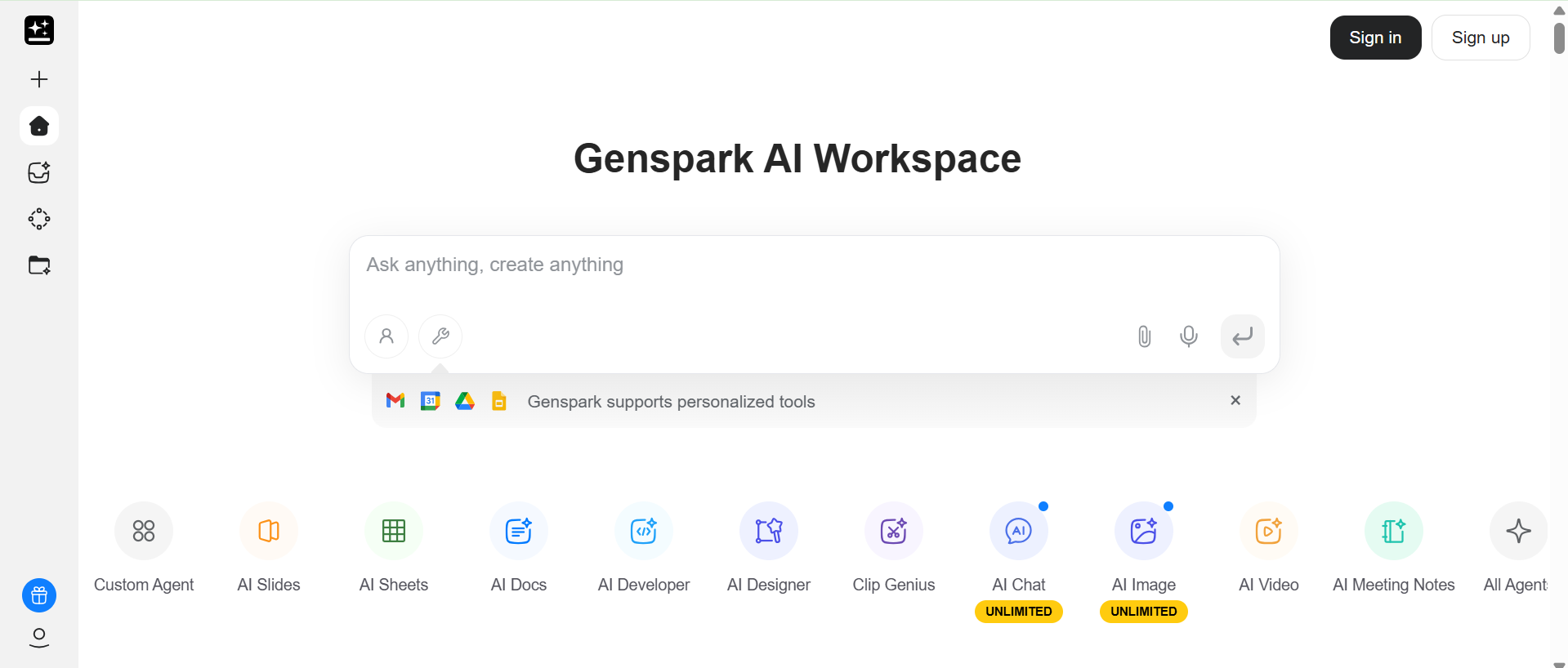
Genspark is aimed at prosumer creators who want AI to handle end-to-end project work; operators and product/marketing teams looking to streamline research and content pipelines; and users seeking a one-stop AI browser + apps environment instead of stitching tools together.
Genspark extends the “agent does it for me” vision more aggressively than most. By combining a browser, workspace apps, and unique phone-call automation, it reduces friction for non-technical users. The trade-off: pricing is not very transparent, and output quality can vary—especially in complex or sensitive domains. The best way to use Genspark is like a power intern: hand it clear briefs, then audit and polish the deliverables before sharing.
Cost: $0
Features & Notes: Limited daily usage/credits; good for light testing
Cost: Varies (individual plans)
Features & Notes: Higher usage caps, priority models, early access to new features
Cost: Custom pricing
Features & Notes: Scales for orgs; flexible credits and advanced controls
Cost: Free download (macOS live; Windows coming soon)
Features & Notes: Tied to Genspark account/plan
Notes: Pricing details remain inconsistent across sources; official site lists plans but with limited hard numbers.
Firebase Studio distinguishes itself with multimodal prototyping (text, drawings, images) and a direct pipeline to Firebase hosting and monitoring. It balances ease of prototyping with enterprise-grade infrastructure. For advanced backend needs, users can switch from Prototyper to Code view and extend projects with Firebase/Google Cloud services.
Hugging Face is the GitHub of modern AI. It combines a gigantic open-source catalog with one-click deployment tools and pay-as-you-go compute. PRO and Team plans unlock higher storage and priority GPUs, while Enterprise brings governance for regulated industries.

Integrately focuses on speed and accessibility: its massive ready-made automation library and one-click SmartConnect make setup effortless. With generous pricing, live chat support, and advanced functions like Iterators and Auto-Retry, it balances beginner-friendly onboarding with serious workflow power. It’s especially attractive for SMBs and agencies who need affordable automation at scale.
One of the cleanest end-to-end “vibe coding” experiences. Agent Mode + Chat Mode + Visual Edits cover ideation through polish, and the security and publishing steps make it practical to share beyond demos. For complex or regulated apps, you’ll still want code review and dedicated testing.

Don't fall behind on AI. Get the AI trends & tools you need to know. Join 700,000+ professionals from top companies like Microsoft, Apple, Salesforce and more.
Property of TechnologyAdvice. © 2026 TechnologyAdvice. All Rights Reserved
Advertiser Disclosure: Some of the products that appear on this site are from companies from which TechnologyAdvice receives compensation. This compensation may impact how and where products appear on this site including, for example, the order in which they appear. TechnologyAdvice does not include all companies or all types of products available in the marketplace.
Stay in the loop
Get notified when we publish new articles.