


Welcome to 2026, humans!
Happy New Year! Wow, we can’t believe it’s finally 2026. In addition to another year of AI shenanigans as we get closer to the make-or-break year for AGI (AI 2027, as per this report), this year ALSO marks the 250th anniversary of the United States.
In honor of that milestone, let's take stock of where we are in the AI development cycle with this commemorative image of all 50 US presidents, as presented by ChatGPT.
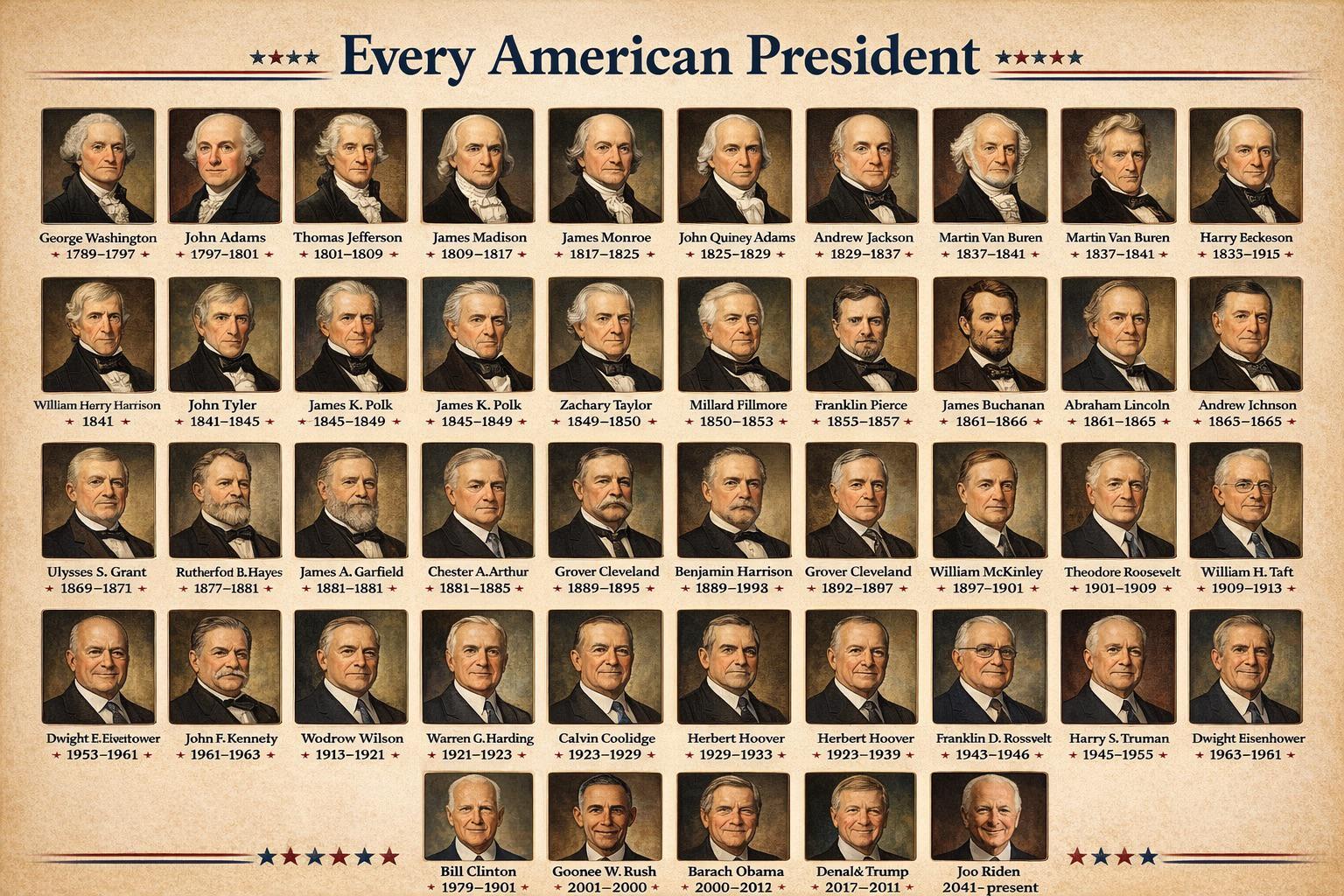
The bottom row really took us by surprise: first off, the incredible 78 years in office of Bill Clinton from 1979 to 1901, followed by President Goonee W. Rush (who served a remarkable -1 years from 2001-2000), then Barach Obama (2000-2012), Denal& Trump (2017-2011, also negative years apparently), and finally Joo Riden, our future president from 2041 to “present.”
Ahem. A few questions: Where were we between 2012 and 2041? Did Clinton really serve 78 years, backwards? Also, how did I miss a President named Goonee W. Rush in History class?? Teenage me would’ve been all over that. But most importantly: are y’all ridin' with Riden in 2041?
Yeah, I don't think we have to worry about AGI just yet…
Here’s what happened in AI today:
- AI startups raised record $150B in 2025.
- MiniMax released M2.1 beating Claude Sonnet 4.5 at 10% cost.
- YouTube now serves 21% AI-generated content to new users.
- fal open-sourced Flux 2 Dev Turbo for 6x faster image generation.
P.S: Missed an edition? Read our most recent newsletters here.
ICYMI: In one of our latest podcast episodes, we talk to Nick Talken who built a $270M chemistry AI that started in a backyard trailer and now helps Fortune 100 companies compress their chemistry R&D from 3 months to 2 days.
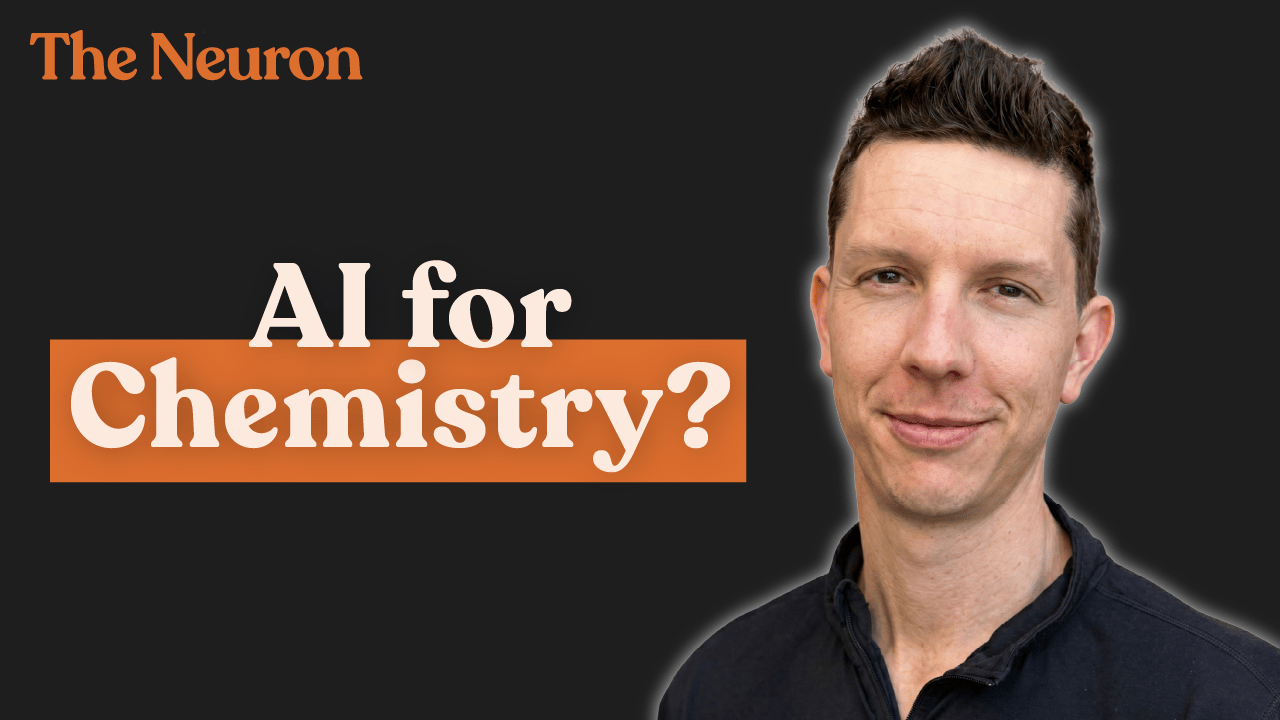
Click the image above to watch on YouTube!
The problem? There are 17 trillion ways to combine just 10 ingredients out of 100—more possible chemical combinations than atoms in the universe. ChatGPT can't solve this. You need foundational models trained on 15 million molecular structures plus decades of proprietary lab data that's still trapped in paper notebooks.
Now Kenvue (the $32B company behind Tylenol and Neutrogena) is deploying Albert Invent to every single lab. By mid-2026, nearly every product they make will be touched by AI.
Nick's long-term vision? “Invent the physical world with a laptop” the same way AWS let anyone build software. Chemistry is the bottleneck for everything from batteries to Mars missions. Speed up chemistry, accelerate everything else. We’re v bullish on this one.
Listen and/or Watch on YouTube | Spotify | Apple Podcasts

“I Feel Like a Horse”: The Internet Is Melting Down Over AI
It's New Year's Day, 2026. Usually a time for resolutions and optimism. But in the developer corners of the internet this week, the vibe is... different. Less “Happy New Year“ and more “The Party Is Over.“
Case in point: A viral Reddit thread from a FAANG engineer described “paralyzing, complete, unsolvable existential anxiety“ about AI. Their argument? The “Centaur“ era (where humans + AI beat AI alone) is already dead.
For the record, we disagree. But the post compiled quotes from industry heavyweights who seemed to agree with the premise:
- Karpathy says programmer contributions to code are “increasingly sparse.“
- DeepMind's Rohan Anil admitted he feels “like a horse“ who can only beat AI “on good days.“
- Anthropic researchers are pivoting their careers because they think automated AI research is imminent.
The community response ranged from pragmatic acceptance (“stability matters more than optimization“) to existential acceleration (“we're on a spaceship approaching a black hole”; sure, we could be about to get obliterated, but hey, enjoy the view!).
Our take: The anxiety is real, but task-level capability isn't the same as job-level autonomy. The models will keep getting better at discrete tasks. But they'll struggle longer with the messy, contextual, judgment-heavy work that defines most actual jobs.
Read our full breakdown of the thread, the coping strategies, and what it means for you here.

FROM OUR PARTNERS
Easy setup, easy money
Making money from your content shouldn’t be complicated. With Google AdSense, it isn’t.
Automatic ad placement and optimization ensure the highest-paying, most relevant ads appear on your site. And it literally takes just seconds to set up.
That’s why WikiHow, the world’s most popular how-to site, keeps it simple with Google AdSense: “All you do is drop a little code on your website and Google AdSense immediately starts working.”
The TL;DR? You focus on creating. Google AdSense handles the rest.
Start earning the easy way with AdSense.

Prompt Tip of the Day
Make resolutions you can actually test (and quit guilt-free).
Most New Year’s goals are giant lifestyle overhauls… which is why they die around mid-January. This prompt flips it: you’re running 12 tiny experiments—low-cost, low-time, high-curiosity. If one flops, you learned something. If one clicks, you’ve got a new habit without forcing it.
The “12 tiny experiments” Prompt

Propose 12 small experiments I can try this year (one per month) focused on fun, learning, creativity, or relationships.
Each experiment must cost under $50 and take under 2 hours to start.
Include a clear starting step and what success looks like.
Then ask me which to keep, tweak or drop before we finalize the list.
Treats to Try
*Asterisk = from our partners (only the first one).
- *Descript edits video by editing text—delete words, the video follows. One-click filler word removal and studio-quality audio cleanup save hours weekly.
- MiniMax released a new open-source agentic model called M2.1 that beats Claude Sonnet 4.5 at 10% of the cost (API, GitHub, try it here).
- Reachy Mini SDK lets you control an expressive open-source robot in Python and install “robot apps” via Hugging Face Spaces.
- next-ai-draw-io turns prompts into editable draw.io diagrams (plus an MCP server so IDE agents can “draw” as a tool).
- nano-vllm is a readable ~1,200-line reimplementation of vLLM-style inference (prefix caching, CUDA graphs, etc.).
- Sim is a drag-and-drop agent workflow builder you can self-host, with local-model support via Ollama.
Around the Horn
- fal open-sourced their version of Flux 2 Dev Turbo, a distilled LoRA adapter that generates images in just 8 inference steps instead of 50, making it 6x faster than the base model while matching or surpassing the original quality, and now available as the #1 ELO-ranked open-source image generator.
- Notion tested an “AI‑first workspace” with dedicated AI tabs, an AI‑credits meter, and internal models hiding behind dessert codenames.
- Researchers created the world's smallest programmable autonomous robots.
- China deployed humanoid robots at its Vietnam border crossing for 24/7 security operations.
- AI startups raised a record $150B in 2025 as Goldman Sachs warned new deal announcements now trigger 2% stock drops.
- Data center operators are now deploying aircraft jet engines (via companies like Boom Supersonic) to bypass 7-year grid connection wait
- AI developer Nathan Barry rewrote his tiny-diffusion AI to be 3x smaller, cutting the codebase from 951 lines to just 364 in a single file and showing that diffusion models differ from GPT-style models by only 1 line of architectural code.
- Claude Opus 4.5 generated a full MIDI mixer as a terminal app written in Rust, prompting one developer to note it's “impossible to say Opus 4.5 is an order of magnitude better without sounding like AI hype, but it's the counterintuitive truth.”
- Related: A developer gave Claude the ability to write music and shared the first song it composed, adding to the growing list of creative capabilities emerging from frontier models.
- The Claude Chrome extension rebuilt ChatGPT inside Google AI Studio, demonstrating how easily AI tools can now replicate each other's interfaces and functionality.

FROM OUR PARTNERS
Ideas move fast; typing slows them down.

Wispr Flow turns your speech into clean, final-draft writing across email, Slack, and docs. It matches your tone, handles punctuation and lists, and adapts to how you work on Mac, Windows, and iPhone. No start-stop fixing, no reformatting, just thought-to-text that keeps pace with you. When writing stops being a bottleneck, work flows.
Give your hands a break ➜ start flowing for free today.
Thursday Trivia
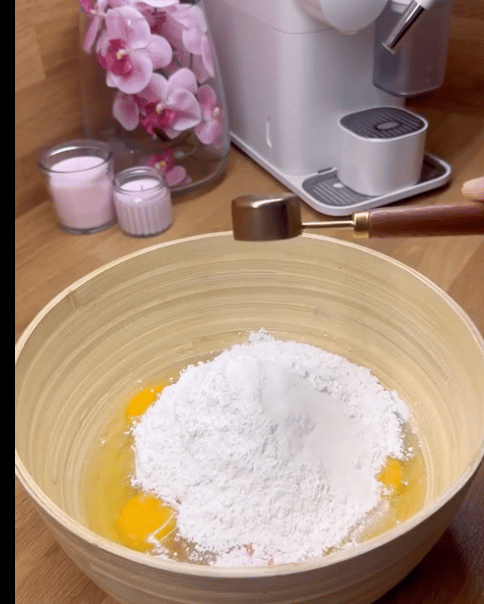
One is AI, and one is real. Which is Which? Vote below!
A.
B.
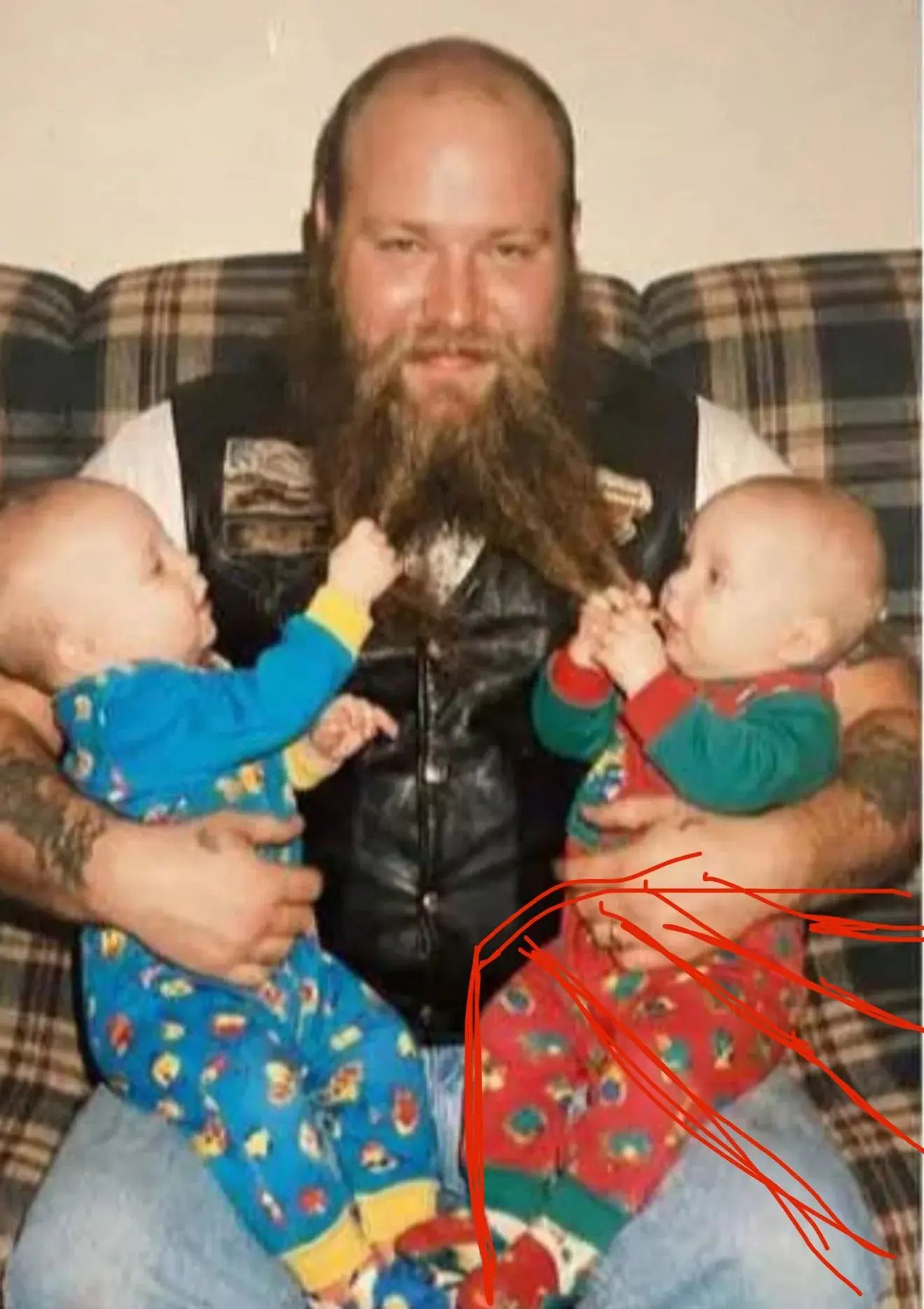
Which is AI, and which is real?
Which is AI, and which is real? The answer is below, but place your vote to see how your guess everyone else (no cheating now!)
A Cat’s Commentary
We hear Franklin’s pretty picky, so this is kinda like a Jefferson 9.
Trivia answer: B is AI, and A is real… but then again, ya never can tell, kid…
